WazirX Unveils INR Crypto Futures as Post-Hack Recovery Push Continues
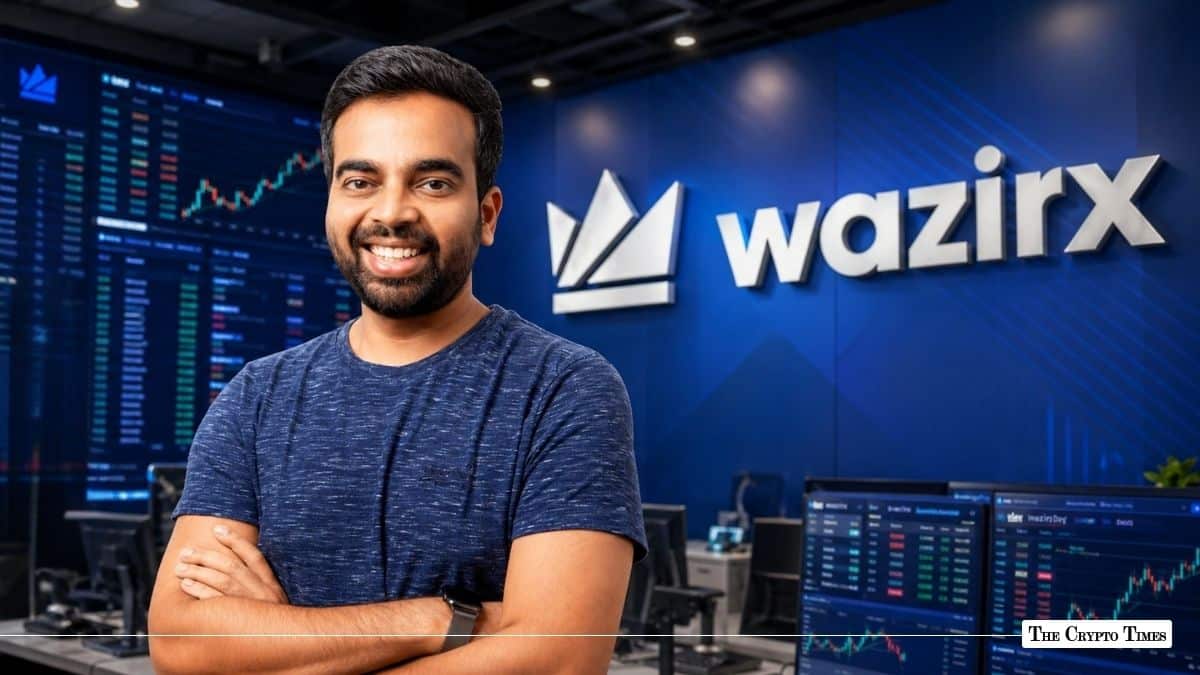
The Indian exchange introduces perpetual futures with 0.02% maker fees, targeting retail traders, and pledges profits to buy back recovery tokens for hack victims.
WazirX, India's largest cryptocurrency exchange by registered users, launched futures trading on May 13, 2026, offering INR-settled perpetual contracts with what it claims are the lowest fees in the domestic market. Maker fees are set at 0.02% and taker fees at 0.04%, with no minimum volume thresholds required.
The platform initially supports BTC/INR and ETH/INR contracts with up to 10x leverage—a reduction from the 20x offered during a March 2026 early-access phase. All positions are settled in Indian rupees, eliminating the need for crypto collateral. The exchange is registered with India's Financial Intelligence Unit (FIU-IND). Users must pass a knowledge quiz before their first trade.
“Futures trading in India has meant high fees unless you are a large-volume institutional trader,” said Nischal Shetty, founder of WazirX. “A trader starting out on WazirX Futures gets the same fee rate as an institutional trader on most other platforms.”
Revenue Allocation to Recovery Fund
The most consequential aspect of the launch is the allocation of futures trading profits. According to WazirX's official announcement, “Futures trading will generate further profits from platform operations and directed toward additional recoveries for eligible creditors who hold Recovery Tokens. This is on top of the 85% fund distribution already completed.”
The exchange suffered a $230 million hack in July 2024, attributed to North Korea's Lazarus Group. After a 16-month shutdown, trading resumed in October 2025 under a court-approved restructuring plan. Users received approximately 85% of their pre-hack balances, with the remaining 15% converted into non-tradable Recovery Tokens. The value of these tokens depends on WazirX generating at least $10 million in quarterly recoverable value through profits or asset recovery—a threshold not yet publicly confirmed.
Trust Challenges Persist
The futures launch follows several controversial product expansions since the hack, including a subscription model in November 2025 and listings of tokens tied to Shetty's projects. The WRX token currently trades at around $0.02, down 99.64% from its all-time high, with daily trading volume below $20,000.
WazirX enters a competitive landscape that includes CoinDCX, Giottus, and Cryptoforce India, all of which launched perpetual futures in 2024-2025. India lacks a dedicated regulatory framework for crypto derivatives; FIU-IND registration covers anti-money laundering but not market conduct. Discussions between the Finance Ministry, SEBI, and the RBI are reportedly underway to build a comprehensive framework.
Source: WazirX