USDC on Polygon, Arbitrum & Avalanche
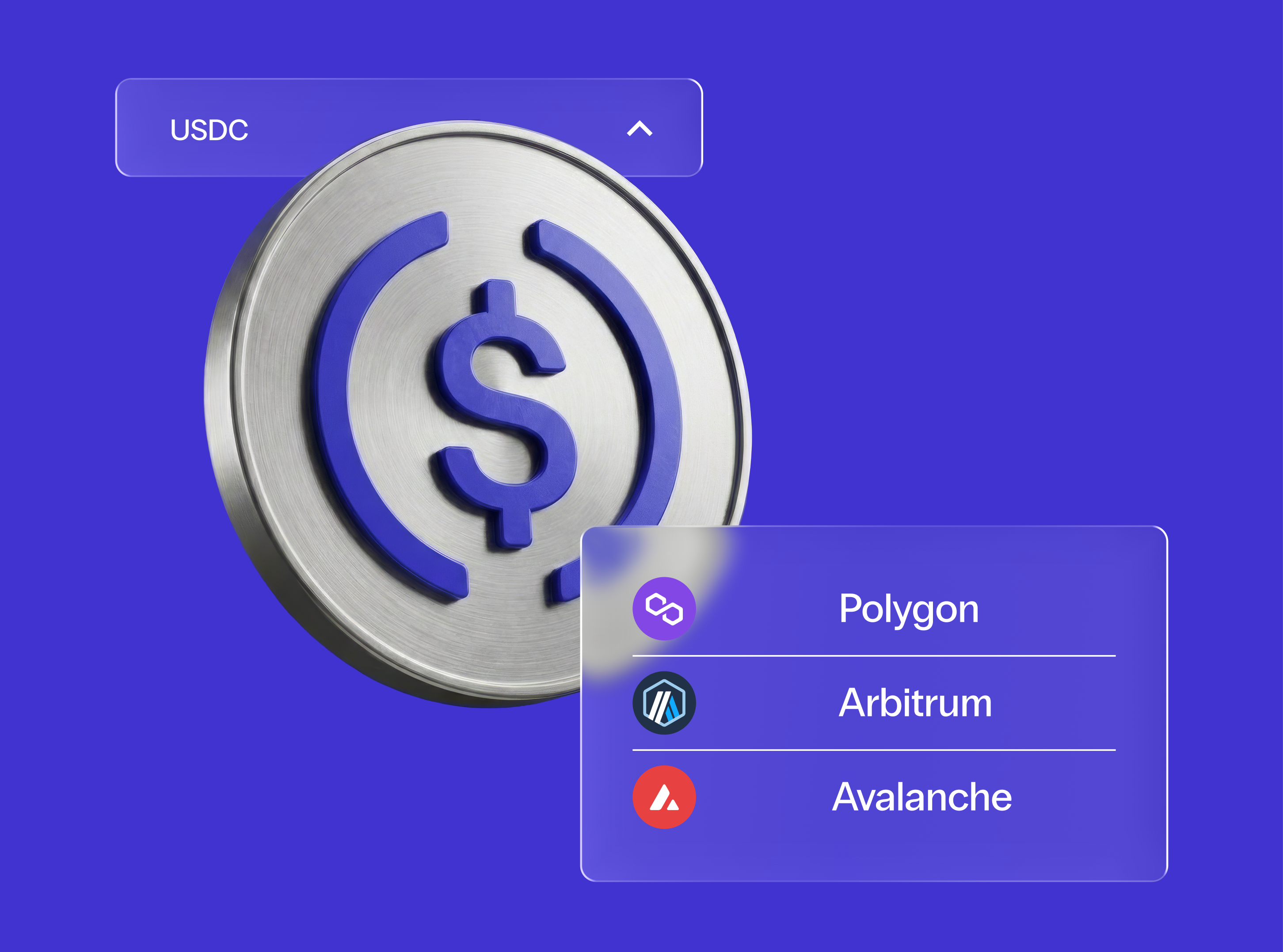
Bitso now supports USDC on Polygon, Arbitrum, and Avalanche, giving users lower fees and faster confirmations across six networks.
Latin American crypto exchange Bitso has expanded its USDC (USDC) network options, now supporting transfers on Polygon, Arbitrum, and Avalanche. The move, announced today, adds three additional Layer-2 and sidechain networks to the platform, which already supported Ethereum, Solana, and Base.
According to Bitso, the new networks bring significant cost savings. Ethereum transaction fees during peak periods can exceed $15 per transaction, while Polygon consistently offers fees below $0.01, Arbitrum between $0.01 and $0.10, and Avalanche around $0.01. All three networks also offer faster confirmation times — Avalanche, for example, provides sub-second finality.
Bitso users can now choose among six different networks when sending or depositing USDC, tailoring their choice based on fee structure, speed, or ecosystem access. Polygon processes roughly 7,000 transactions per second (TPS), Arbitrum handles about 40,000 TPS, and Avalanche’s C-Chain supports around 4,500 TPS.
The exchange also highlighted that users can continue to earn yields on their USDC holdings through its “Earnings” feature, which offers up to 3.1% annual return via Treasury bonds, without needing to leave the Bitso app.
Bitso emphasized that all transfers are managed from the same wallet interface, with no additional apps or account setup required. The expansion is intended to give users more flexibility in managing stablecoin transactions, particularly for DeFi participation and regular payments.
Source: Bitso