
SpaceX slump hits 23,000 NZ Sharesies investors
Thousands of Kiwi investors who bought SpaceX shares via platform Sharesies are sitting on losses after the stock sank below its IPO price, erasing over US$1 trillion in market value.
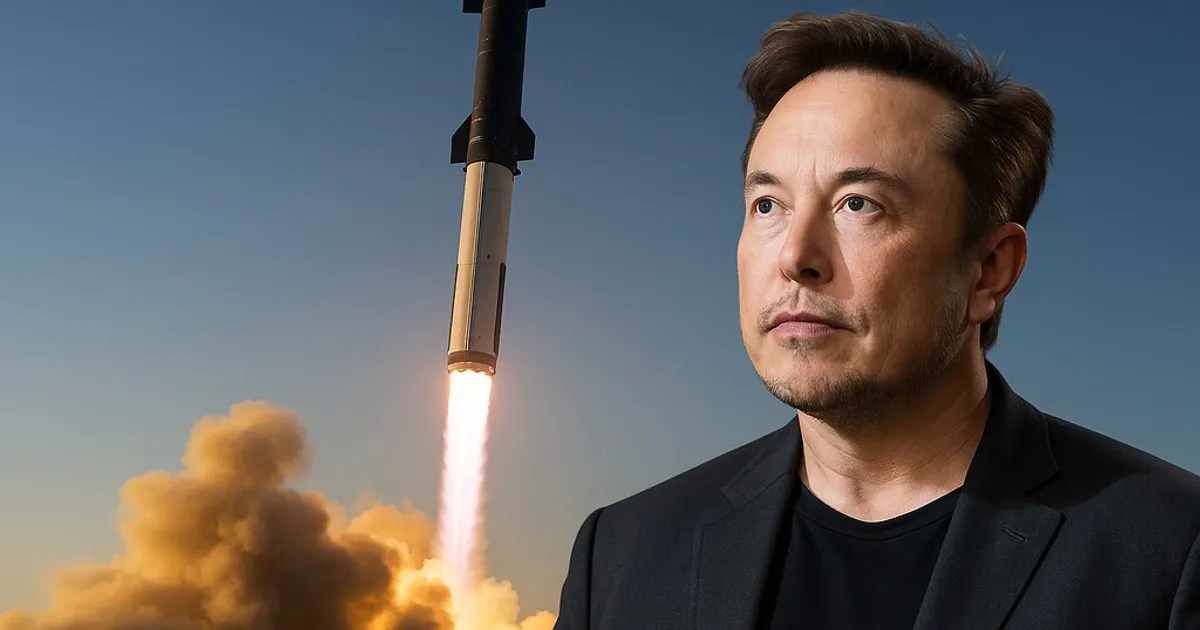
SpaceX, which listed on the Nasdaq on June 12, 2026, in one of the largest IPOs in history, has seen its shares tumble from a peak above US$200 to US$134.19 by July 16—below the US$130 IPO price. The decline wiped more than US$1 trillion off the company’s market capitalisation and cost Elon Musk his trillionaire status, with Forbes estimating his net worth at US$864 billion, down from US$1.2 trillion.
Among those caught in the sell-off are roughly 23,000 New Zealand investors who bought SpaceX through the trading platform Sharesies. Sharesies co-CEO Leighton Roberts had earlier said the platform was “pleased with the allocation” it secured, adding that the stock had been a popular secondary-market pick. No public risk warning accompanied the marketing.
Analysts point to structural factors behind the volatility. Aaron Gilbert, a finance professor at AUT, noted that only about 5% of SpaceX’s shares are publicly traded, making the stock prone to price swings driven by a small pool of optimists. “As that base widens, it is not unusual to see some of that initial enthusiasm unwind,” he said.
Kernel founder Dean Anderson described the same dynamic: a small capital raise triggered a scramble for scarce equity. Once buying eased, “people have effectively done their shopping and what we’re seeing is the price starting to come back down.” Forsyth Barr senior equities analyst Aaron Ibbotson called SpaceX “one of those proper FOMO stocks”, where price moves on sentiment rather than fundamentals.
The company’s pre-IPO SEC filings show a US$4.9 billion loss on US$18.7 billion of revenue last year. Gilbert warned that at US$200 a share, investors were betting heavily on future successes like Starship and Starlink dominating satellite internet. Even after the pullback, he said, SpaceX is “not obviously a cheap stock.”
Starlink, SpaceX’s main revenue driver, now has 10 million users worldwide including 85,000 in New Zealand, but faces competition from Amazon’s Leo constellation and Google-backed AST SpaceMobile. The next major test will come when SpaceX reports its first quarterly results, putting Starlink growth and AI-infrastructure spending under scrutiny.
The episode has reignited debate about retail investor risk communication. Platforms like Sharesies have democratised access to US equities, but critics argue that first-time buyers can purchase highly speculative stocks with no obvious warnings about thin free floats and lofty valuations. The FMA’s 2025 KiwiSaver report flagged rising New Zealand investor exposure to private equity and unlisted assets, mirroring the appetite for frontier risk that drove the SpaceX buying spree.
Source: Sharesies