OKX Europe Lets Users Convert USDT to MiCA-Compliant USDC
OKX Europe introduces a feature allowing customers to deposit and convert USDT into MiCA-compliant USDC, as EU regulations limit support for Tether's stablecoin.
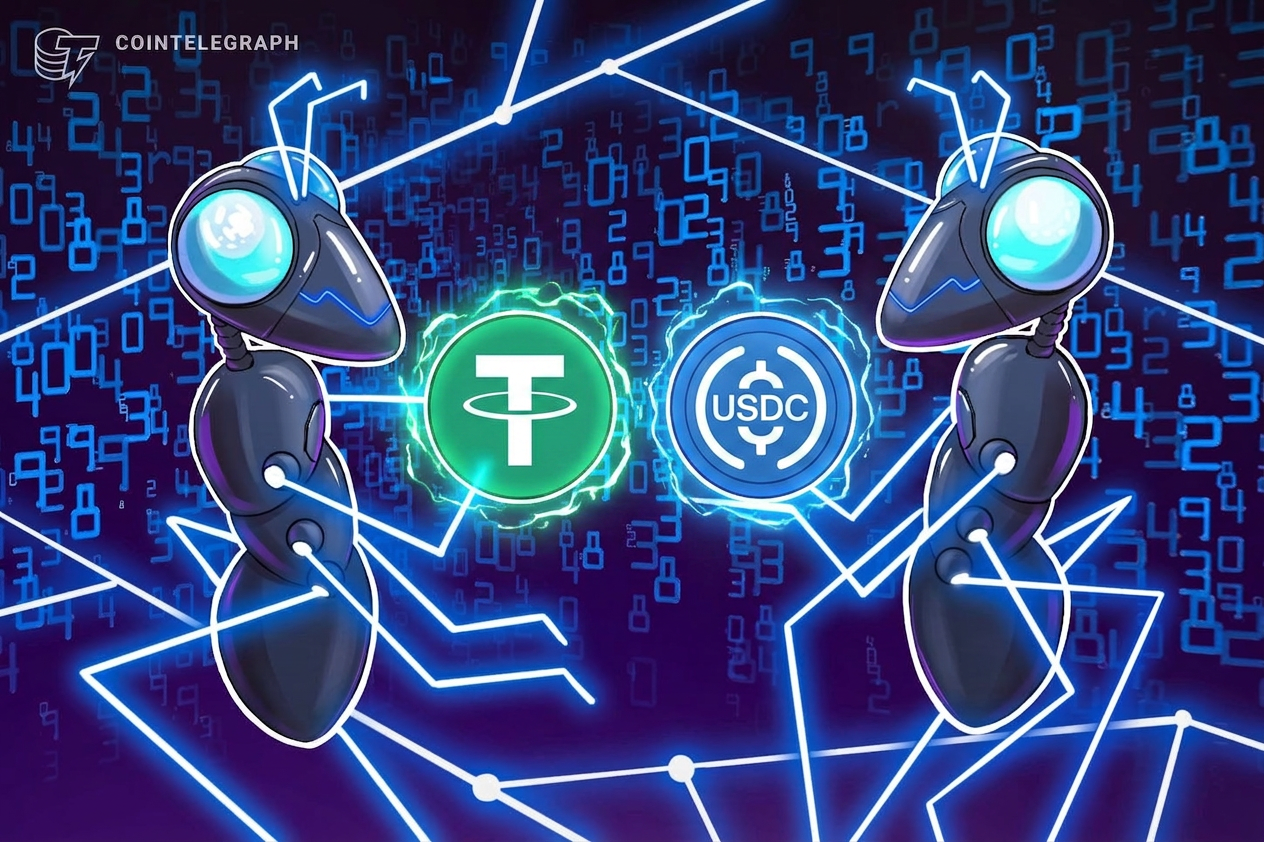
OKX Europe has launched a one-way conversion feature that lets customers deposit Tether's USDT and convert it into Circle's USDC, providing a regulated migration path as the European Union's Markets in Crypto-Assets (MiCA) framework restricts support for the world's largest stablecoin.
The feature, announced via a company statement, enables users to deposit USDT into their OKX Europe account and exchange the tokens for USDC, one of the stablecoins compliant with MiCA. Since Tether has not obtained authorization to issue USDT under the MiCA framework, many European platforms have started to limit deposits, delist trading pairs, or convert user balances into compliant alternatives following the full rollout of the rules on July 1.
OKX Europe said the conversion is designed for customers whose existing platforms no longer accept USDT or plan to migrate balances automatically. Users can carry out the conversion at their own discretion, without a platform-imposed deadline, according to the exchange.
The move comes despite USDT's dominance in the global stablecoin market. Data from DefiLlama shows Tether accounts for roughly 59% of the nearly $310 billion stablecoin market, with a market capitalization of about $184 billion, compared with approximately $73 billion for USDC. OKX Europe serves customers in 30 EU and European Economic Area countries under its MiCA license.
Tether CEO Paolo Ardoino has repeatedly criticized MiCA, arguing that its reserve requirements create unnecessary risks by mandating that a portion of reserves be held with European credit institutions. In a May 2025 interview, Ardoino described the framework as "very dangerous when it comes to stablecoins" and said Tether chose not to pursue authorization despite expecting to lose support on European exchanges. In a July 2025 post on X, he stated Tether would reconsider seeking MiCA authorization only "when MiCA becomes safer for consumers and stablecoin issuers."
Separately, digital banking platform Revolut recently announced it will stop supporting USDT for customers in the European Economic Area and Switzerland, giving users until August 31 to sell or withdraw their holdings before automatically converting remaining balances into their base currency.
Source: OKX