
More ways to invest with Wealthfront's Brokerage Account
Wealthfront has added instant trading, recurring investments, limit orders and share-denominated orders to its Brokerage Account, alongside more than 8,000 newly available stocks and ETFs.
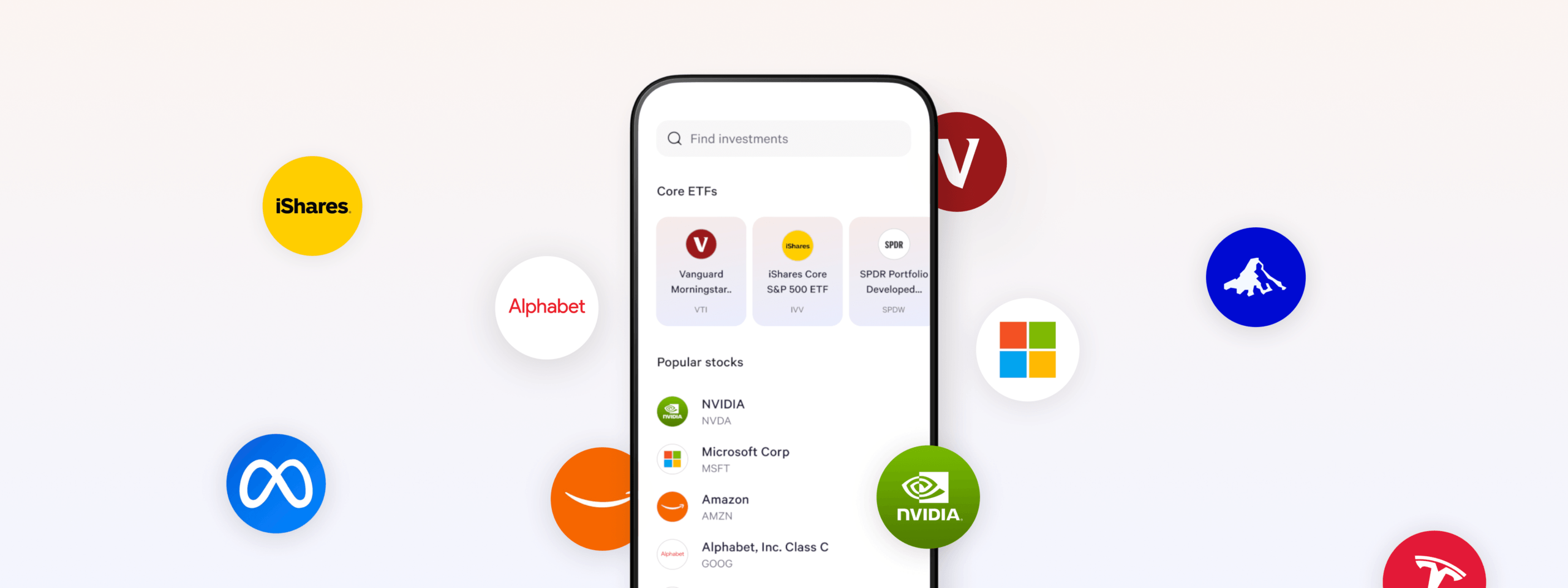
Wealthfront has rolled out a set of new features for its Brokerage Account, expanding on the investing capabilities previously offered through its Stock Investing Account. The announcement, published on the company's blog and attributed to Vice President of Product Dave Myszewski, covers instant trading, recurring investments, limit orders, share-denominated orders and an expanded securities list of more than 8,000 newly added stocks and ETFs.
What's new in the account
Recurring investments let clients set up automatic purchases on a schedule they choose. Instant trading allows clients to buy, sell and reinvest immediately during market hours. Limit orders give users the ability to specify a price at which they want to buy or sell a security, while share-denominated orders let them trade a specific number of shares instead of a dollar amount. The expanded universe of securities can be browsed by category or searched directly.
The company said it designed the account to be a simple place to buy and hold ETFs and stocks, including for first-time investors who can browse popular and industry-specific categories before purchasing. Wealthfront notes that the Brokerage Account works alongside its Cash Account, so clients can buy securities in a few taps for as little as $1 while uninvested cash continues to earn a variable yield until it is deployed.
Wealthfront also outlined planned additions to the product suite. These include Joint Brokerage Accounts and Trust Brokerage Accounts, support for a Portfolio Line of Credit, and further flexibility in how clients invest.
Wealthfront Brokerage LLC is a self-directed brokerage and a member of FINRA and SIPC. The company noted that trades submitted during market hours are sent promptly for execution but that execution may not be immediate and can be affected by market conditions, trading volume and liquidity. It also noted that the Cash Account is not a deposit account and that cash balances are swept to program banks, where they earn a variable annual percentage yield.
Source: Wealthfront