
Standard Chartered brings Ripple's RLUSD into banking custody after $765 million quarterly surge
Standard Chartered now offers custody for Ripple's RLUSD stablecoin to eligible institutional clients via its Dubai International Financial Centre branch, part of a plan to use the token as trading collateral on LMAX.
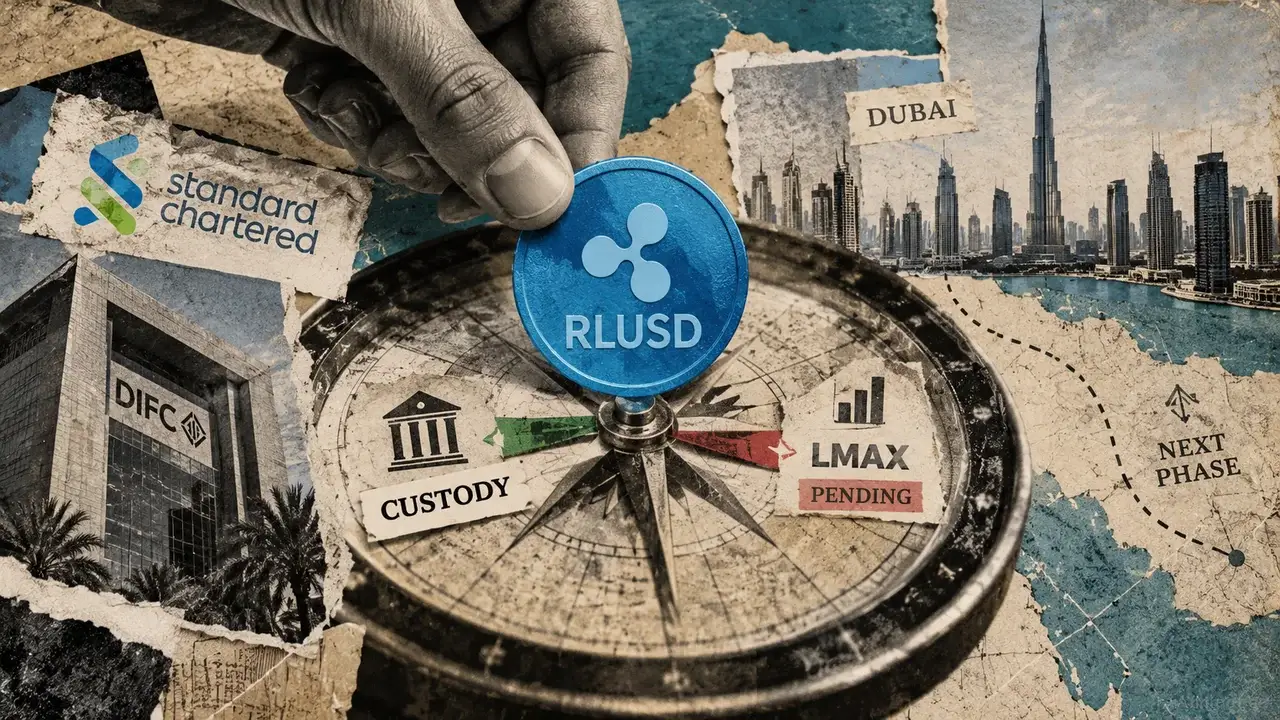
Standard Chartered has begun offering custody for Ripple's RLUSD stablecoin to eligible institutional clients through its branch in the Dubai International Financial Centre, which is regulated by the Dubai Financial Services Authority. The bank announced the launch on Oct. 12, covering RLUSD issued on the XRP Ledger.
The service is part of a wider arrangement involving Ripple and trading group LMAX that would let institutions post RLUSD as collateral while leaving the tokens in the bank's safekeeping. Under the proposed model, Standard Chartered would mirror the value of eligible RLUSD holdings to LMAX, allowing clients to support trading positions without moving the underlying tokens to the venue. The parties say that structure could reduce counterparty exposure and the operational risk of shifting assets between custodians and exchanges.
Supply growth behind the launch
The move follows rapid growth in RLUSD's supply. According to RWA Foundation, Ripple recorded the second-largest increase in stablecoin market capitalisation in the third quarter, adding $765.3 million over 90 days. Only Circle's USDC grew more, at $915 million, with United Stables third at $474.2 million. DeFiLlama data puts RLUSD's circulating supply at roughly $2.4 billion, split between about $1.14 billion on the XRP Ledger and $1.3 billion on Ethereum.
Ripple and LMAX announced a multiyear partnership in January aimed at spreading RLUSD across the trading group's infrastructure, with Ripple committing $150 million in financing to support LMAX's expansion. The agreement targets adoption in spot crypto trading, perpetual futures, contracts for difference and other institutional products. Standard Chartered's involvement adds a traditional banking custody channel, letting participating institutions keep assets with the bank while accessing LMAX's trading infrastructure.
Waqar Chaudry, Standard Chartered's global head of digital assets in Securities Services, said institutional investors increasingly want to take part in digital asset markets without compromising asset safeguarding and risk management.
For Ripple, accepting RLUSD as trading collateral could generate demand from banks, brokers and investment firms needing dollar-denominated assets to back positions, though the commercial effect depends on how widely institutions adopt the arrangement and which LMAX products accept the token. Standard Chartered has not disclosed the amount of RLUSD held in custody or identified participating clients, and the companies have not said when the collateral integration will become operational. Implementation remains subject to final documentation, technical testing, regulatory requirements and internal approvals across the relevant jurisdictions.
Источник: CryptoSlate