
CFTC Chair Selig outlines how Hyperliquid and other onchain venues could enter the US
CFTC Chairman Michael Selig said onchain derivatives platforms can enter the U.S. by obtaining an exchange license or partnering with a registered venue, citing Backpack's new FCM, DCM and DCO approvals.
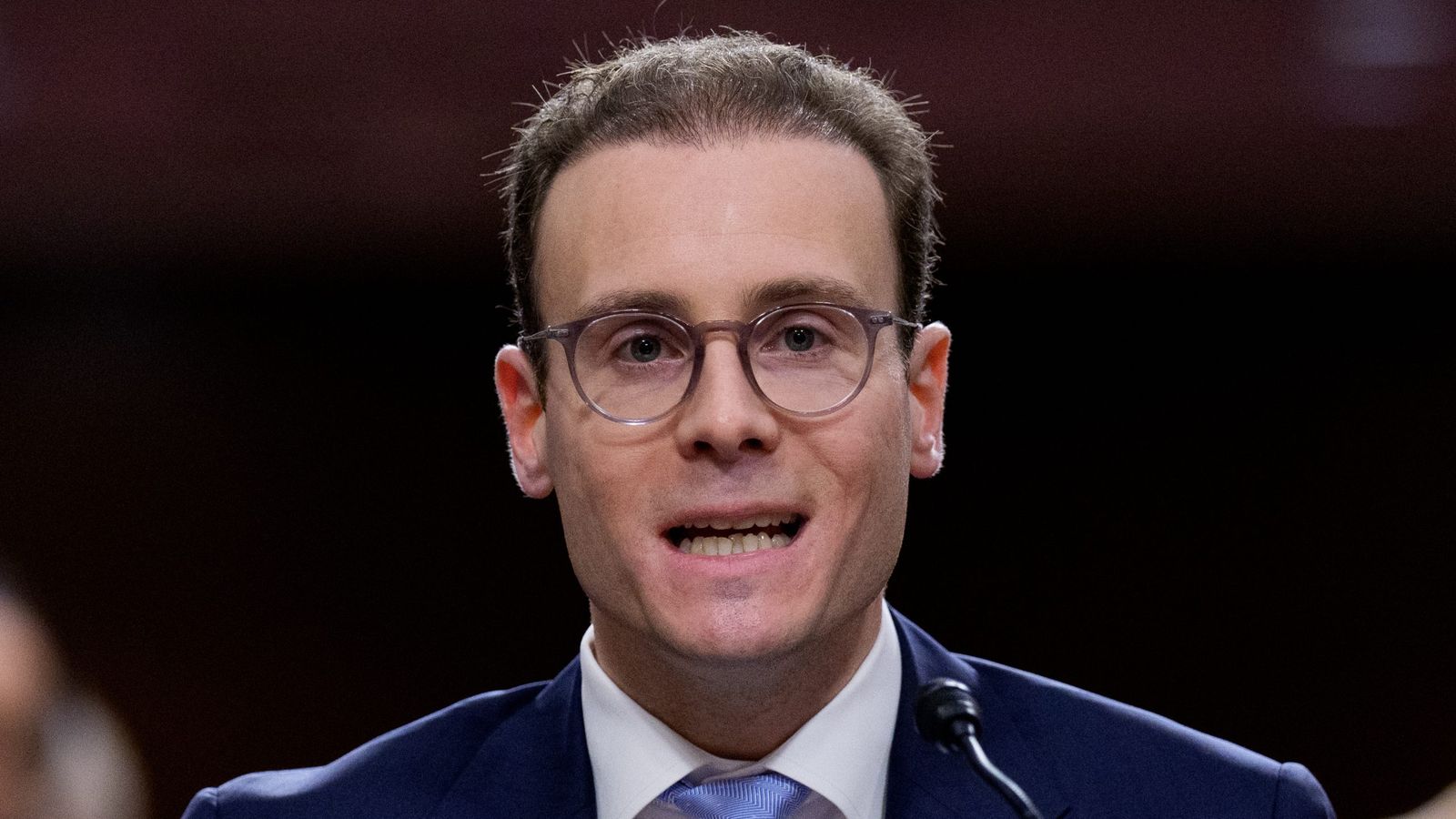
Commodity Futures Trading Commission Chairman Michael Selig used a Thursday appearance at The Hill and The Block’s Capitol Crypto Forum to explain how decentralized and onchain derivatives platforms could serve U.S. retail traders. Asked specifically about Hyperliquid, Selig said such venues have two main routes: secure their own exchange registration or partner with an exchange that is already registered.
He pointed to Backpack as an example of the first path. Earlier this week, Backpack said it had received three U.S. licenses — a Futures Commission Merchant (FCM), a Designated Contract Market (DCM) and a Derivatives Clearing Organization (DCO). The firm described the trio as a full regulatory stack for its U.S. entry and said it was the first crypto-native exchange to offer leveraged perpetual futures with globally unified liquidity.
Selig said using blockchain technology does not exempt platforms from existing rules. Onchain venues can keep their technical features, but they must comply with the same requirements as other exchanges.
State challenges and event contracts
Selig also addressed conflicts with states over federally registered platforms. He said the CFTC would coordinate with the Department of Justice when states sue in attempts to challenge the agency’s jurisdiction. The CFTC and the U.S. government jointly sued Utah in October, and the agency filed separate suits against Arkansas and Louisiana on Nov. 13. Selig argued that lawful derivatives should fall under the market regulator, not state authorities, while distinguishing derivatives exchanges from casinos and state-licensed gambling operations.
On event contracts, Selig said the CFTC assesses whether a product is a derivative and meets its rules, including safeguards against easy manipulation. He noted that proposed Rule 40.11 sets out public-policy factors the agency would consider.
Selig also discussed single-stock perpetual contracts, saying the lack of an expiry date does not automatically make them security-based swaps. He said their structure matters and compared daily funding-rate payments to variation margin on other futures. According to Selig, these products are structured as futures rather than swaps or security-based swaps.
Источник: The Block