
CFTC Chair on Hyperliquid and onchain venues, Ripple CLO doubts Elizabeth Warren will set crypto policy, and more
CFTC Chairman Michael Selig said onchain derivatives platforms such as Hyperliquid can access U.S. retail traders by registering as an exchange or partnering with a licensed one.
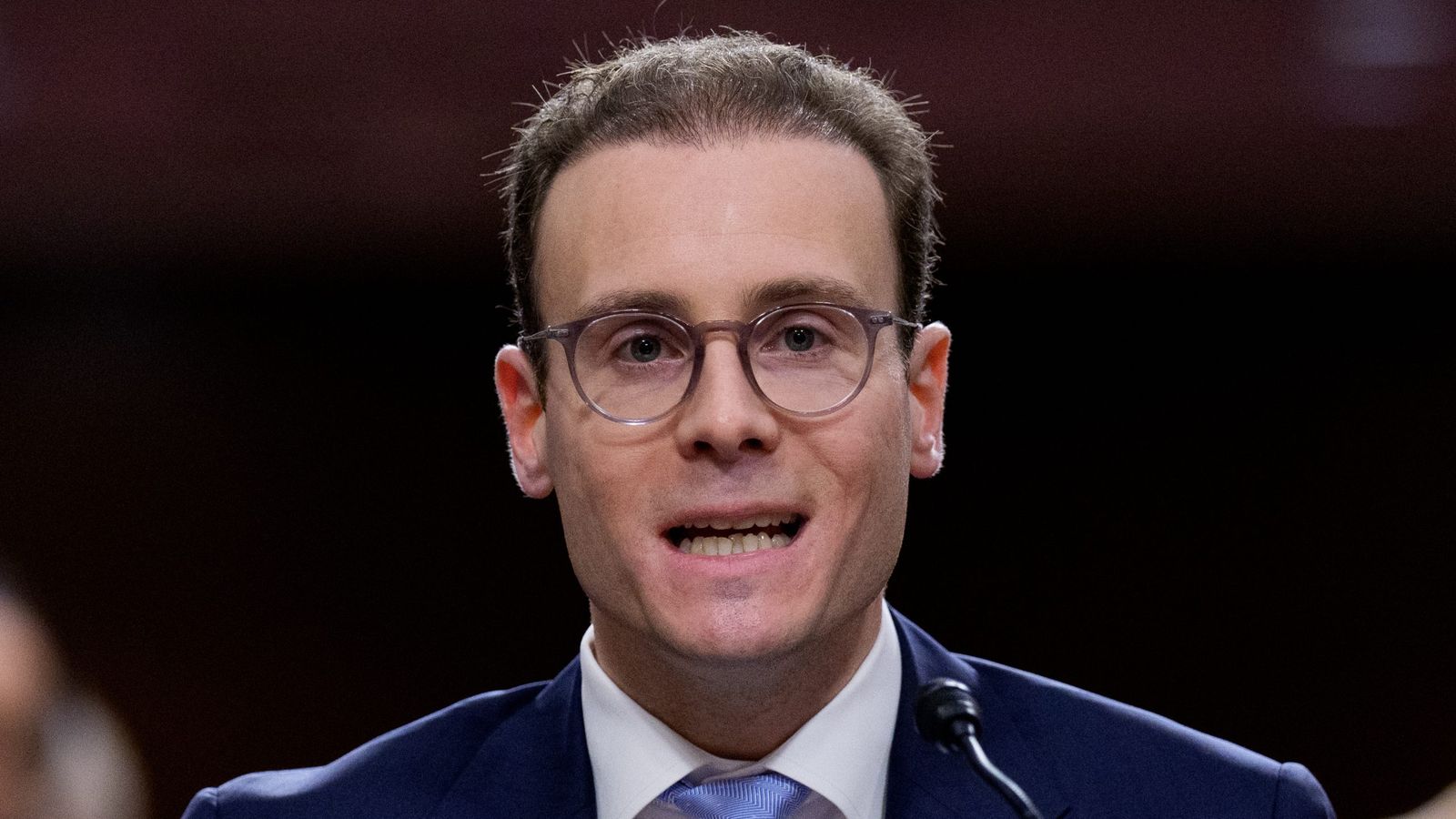
Onchain derivatives platforms such as Hyperliquid can serve U.S. retail traders if they register as an exchange or partner with an exchange that already holds registration, CFTC Chairman Michael Selig said at the Capitol Crypto Forum in Washington, D.C., an event hosted by The Hill and The Block.
Selig pointed to Backpack, which obtained three U.S. licenses earlier this week, as an example of the direct-registration route. Platforms are free to keep running on blockchain infrastructure, he said, but they must operate under the same rulebook as other exchanges. His remarks sketch out a possible compliance path for decentralized perpetuals venues that have so far sat outside the U.S. regulatory perimeter.
Prediction markets and perpetuals
On prediction markets, Selig said the agency would coordinate with the Justice Department to defend its authority against state-level challenges involving federally registered platforms. He drew a line between lawful derivatives contracts, which the CFTC should oversee, and casinos or state-licensed gambling venues. Event contracts, he added, still have to satisfy agency requirements, including standards against manipulation.
Selig also argued that the absence of an expiry date does not by itself turn single-stock perpetual contracts into security-based swaps, comparing their daily funding payments to the variation margin used in traditional futures.
The forum covered other policy debates. Ripple Chief Legal Officer Stuart Alderoty said he does not expect Senator Elizabeth Warren to set U.S. crypto policy even if she takes the Senate Banking Committee gavel, predicting she would concentrate on oversight and hearings while the SEC, CFTC and Office of the Comptroller of the Currency lead on regulation. He also said he does not expect the Clarity Act to return as a broad bill in the next Congress, though pieces of it could be folded into other legislation, and urged crypto firms to align on shared priorities when lobbying lawmakers.
Kalshi board member Brian Quintenz said insider trading is simply easier to spot in prediction markets than in equities, where such cases are far more numerous, and argued that the risk of insider dealing does not make a market illegal. Former CFTC commissioners Dan Berkovitz and Christy Goldsmith Romero called for trading restrictions on people able to influence contract outcomes and for clearer guidance on spotting manipulable contracts. Separately, senators pressed the Treasury to ensure stablecoin issuers receive equal treatment under the GENIUS Act, and bitcoin finance protocol Hashi launched on the Sui mainnet.
Источник: The Block