Can you trust a track record?
A track record is the easiest thing in trading to admire and the hardest to verify. Before you trust a curve, learn how it could have been built to fool you.
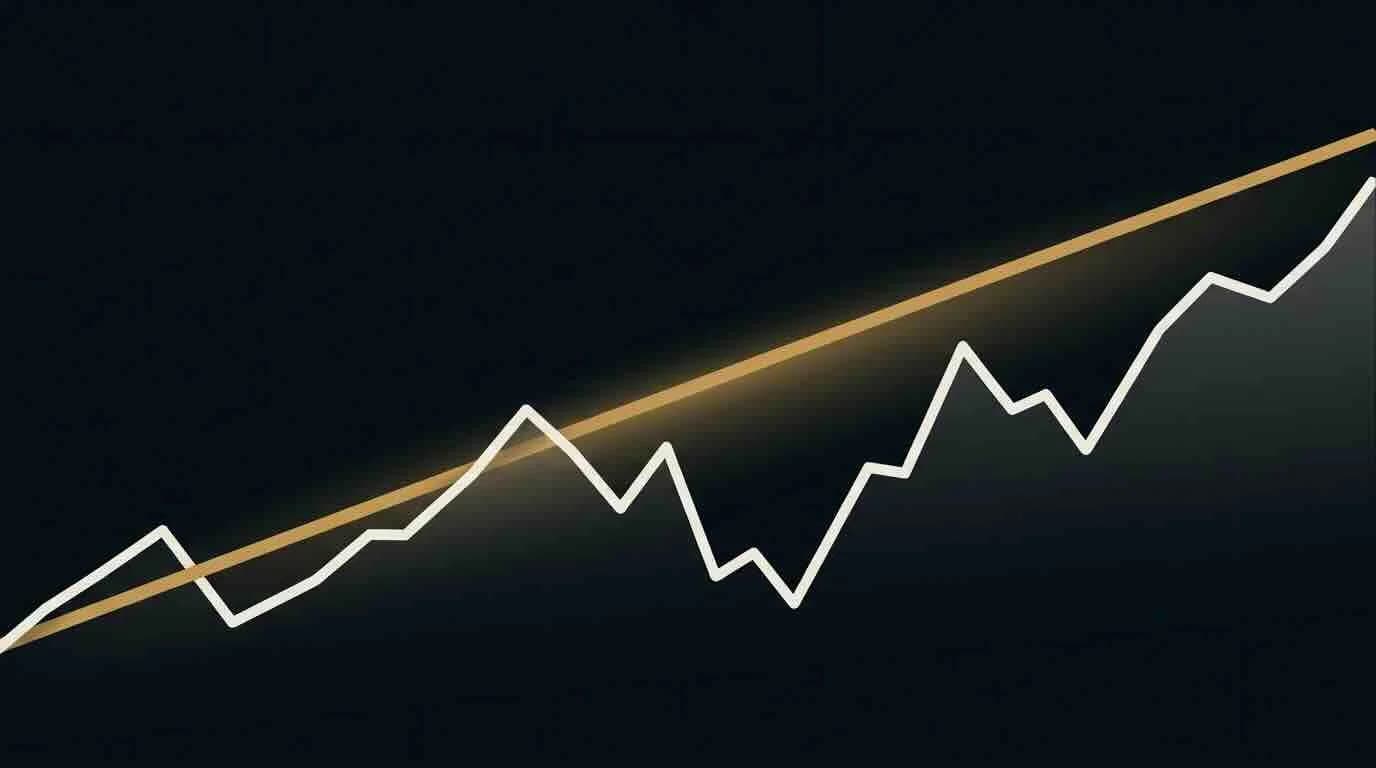
Every performance number arrives pre-polished. By the time a track record reaches you, in a pitch, a leaderboard, a screenshot, it has already survived a selection process you never saw. The job is not to admire the curve. It is to ask what had to be true for it to look this good.
Unverified by default
Most numbers you will ever see are self-reported. Nobody checked the fills, the timing, or whether the losing months were quietly dropped. A claim and a broker statement are not the same object, and the gap between them is where most of trading's fiction lives. The first question about any record is simple: who, if anyone, verified it?
The shape that should worry you
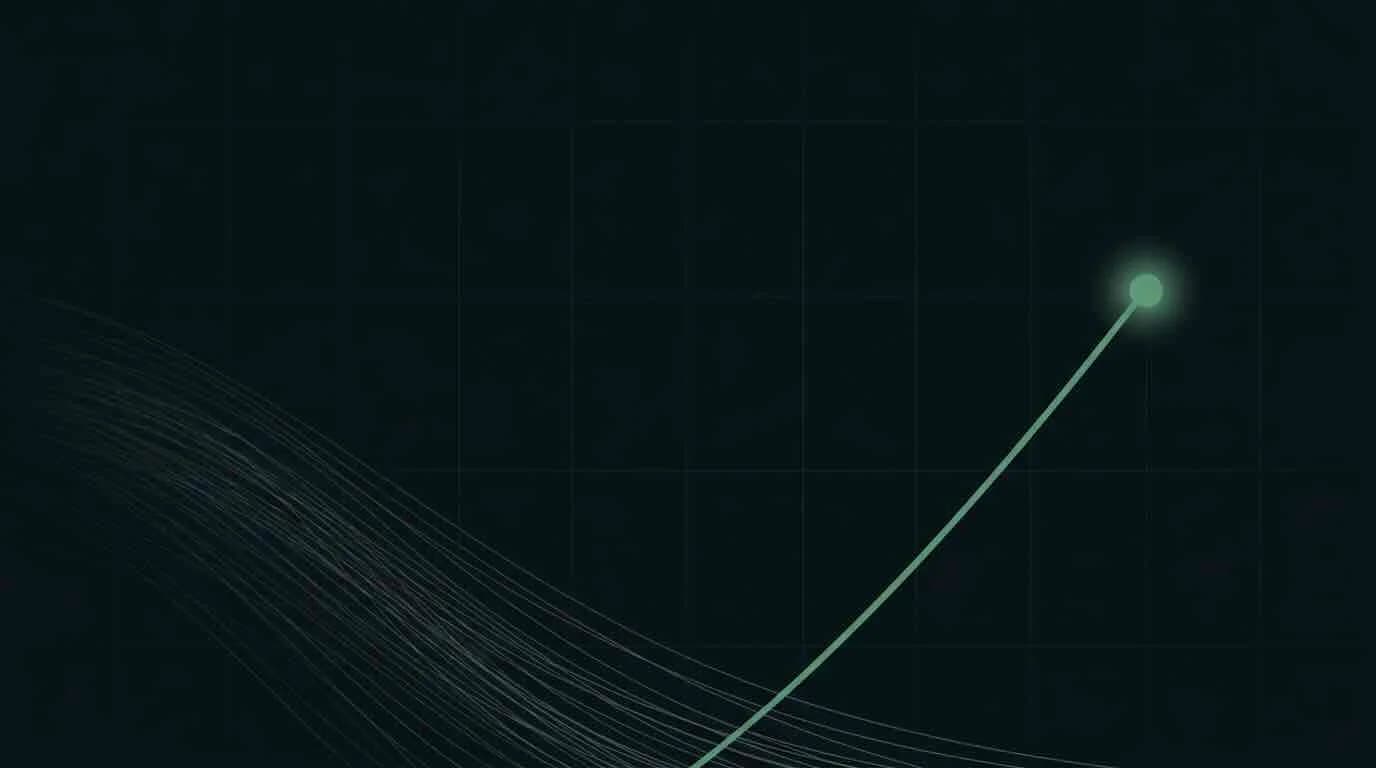
A curve that climbs in a clean diagonal with shallow, evenly spaced dips is not proof of skill; it is often proof of an unrealistic backtest. Real trading leaves scars: clustered losses, a drawdown that took months to recover, a stretch where the strategy simply did not work. When a record has no bad weather in it at all, the most likely explanation is that the bad weather was modeled away.
A perfect curve is not the absence of risk. It is usually the absence of honesty about it.
How to read one without being read
Trust grows from boring details, not from the headline return. Ask for the full period, including the parts nobody frames: the worst drawdown, how long it lasted, and how the account behaved in the months the asset itself fell apart. Ask whether the results are live or simulated, and if simulated, what slippage and costs were assumed. Ask to see the losers. A trader who can show you their worst month calmly is telling you more than one who only shows you their best.
None of this guarantees a record is real. It just moves you from admiring a number to interrogating it, which is the only posture that has ever protected capital.