Why your indicator stops working
Every indicator is a bet that tomorrow's market rhythm looks like yesterday's. When the rhythm changes and your settings don't, the edge quietly leaves the building.
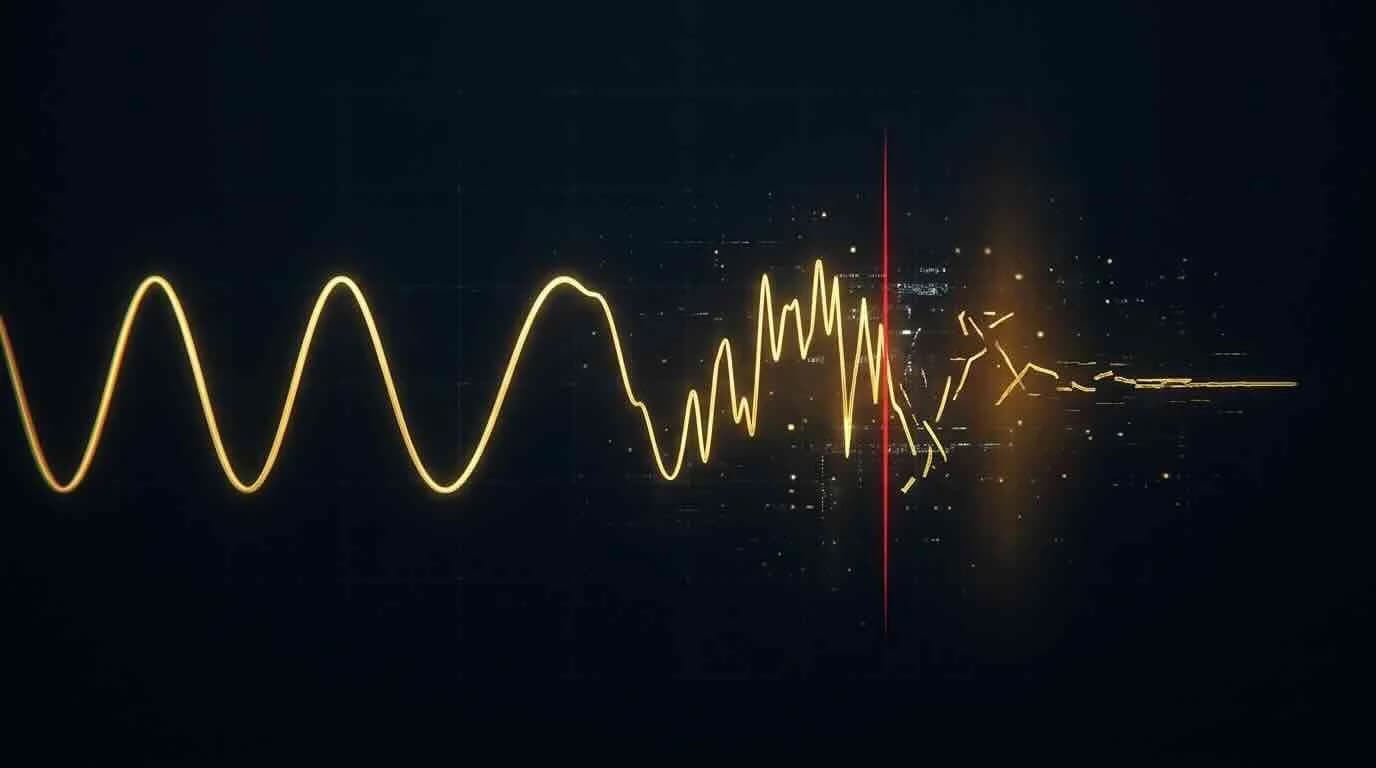
Every indicator you trust is a quiet assumption: that the market's rhythm tomorrow will resemble its rhythm yesterday. Most of the time it holds. The dangerous moments are the ones where it stops, and your settings keep insisting that nothing has changed.
A setting is a snapshot, the market is a film
Pick a 14-period oscillator and you have frozen one decision in time: that roughly fourteen bars captures the swing you care about. The market never agreed to that number. It speeds up into news, drags through quiet seasons, and changes its dominant swing length without telling anyone. The indicator keeps reporting in the old units, and the readings slowly stop meaning what they used to.
Markets breathe at different speeds
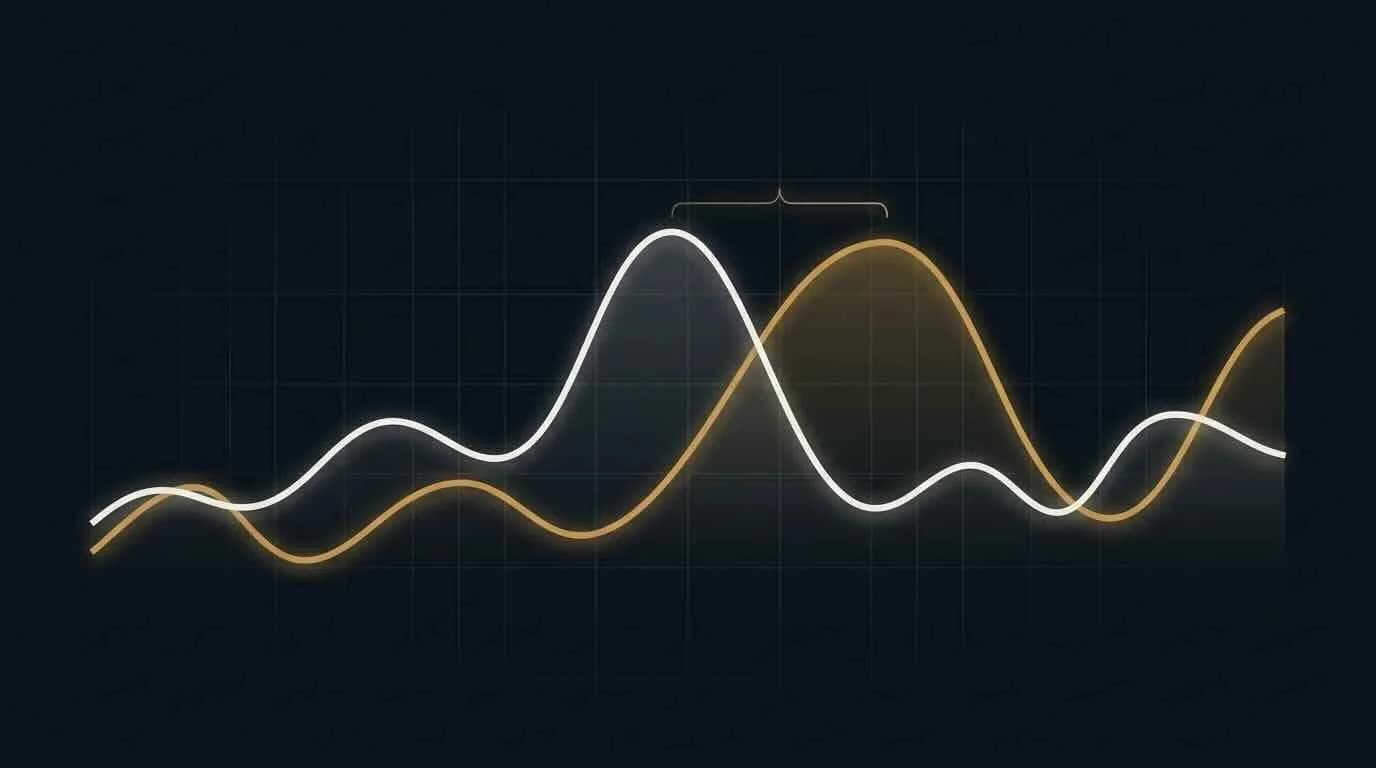
Trend and range are not labels you paint on after the fact; they are different tempos. In a trending leg the dominant swing stretches and momentum tools shine. In a range it compresses and the same tools whipsaw. The instrument did not change. The tempo did, and your fixed-length window is now measuring the wrong thing.
Adapt the parameter, not the story
When an edge fades, traders reach for a story: the market is manipulated, the regime is broken, the setup does not work anymore. Usually the truth is duller and more useful. The setting that fit one tempo no longer fits the current one. The fix is not a new belief; it is a parameter that moves when the market's tempo moves.
An indicator doesn't die. It keeps speaking a language the market has stopped using.
What to actually do
Three habits separate traders who adapt from traders who explain. First, measure the market's current swing length instead of assuming it, and let the lookback follow the tempo rather than fight it. Second, judge a signal by its timing, not just its direction; a setup that is consistently late is telling you the clock has changed. Third, when you backtest, test across regimes, not just across time. An equity curve that only worked in one tempo is a snapshot, not an edge.
The market will keep changing speed. The only question is whether your tools are allowed to change with it.